

Motherhood, Identity, and Grief: Letting Go of Who You Were
Motherhood is often described as joyful, meaningful, and life-changing — and it is. But there’s a quieter, less talked-about experience many women carry alongside the love: grief. Not grief for your baby, but grief for the version of yourself that existed before becoming a mother.
This kind of grief can feel confusing or even shameful. You might think, “I should just be grateful,” or “Other people seem to adjust just fine — why am I struggling?” But identity shifts are profound, and grieving who you were doesn’t mean you regret becoming a mother. It means something important changed.
Why Identity Shifts After Motherhood
Before motherhood, your identity may have been shaped by your work, routines, relationships, independence, or the way you moved through the world. After birth, everything changes — your schedule, your body, your priorities, your sense of autonomy. Even your nervous system is recalibrating.
Many new mothers feel pressure to “bounce back” — physically, emotionally, socially — as if returning to your old self is the goal. But the truth is, that version of you no longer exists in the same way. And acknowledging that loss is not failure. It’s honesty.
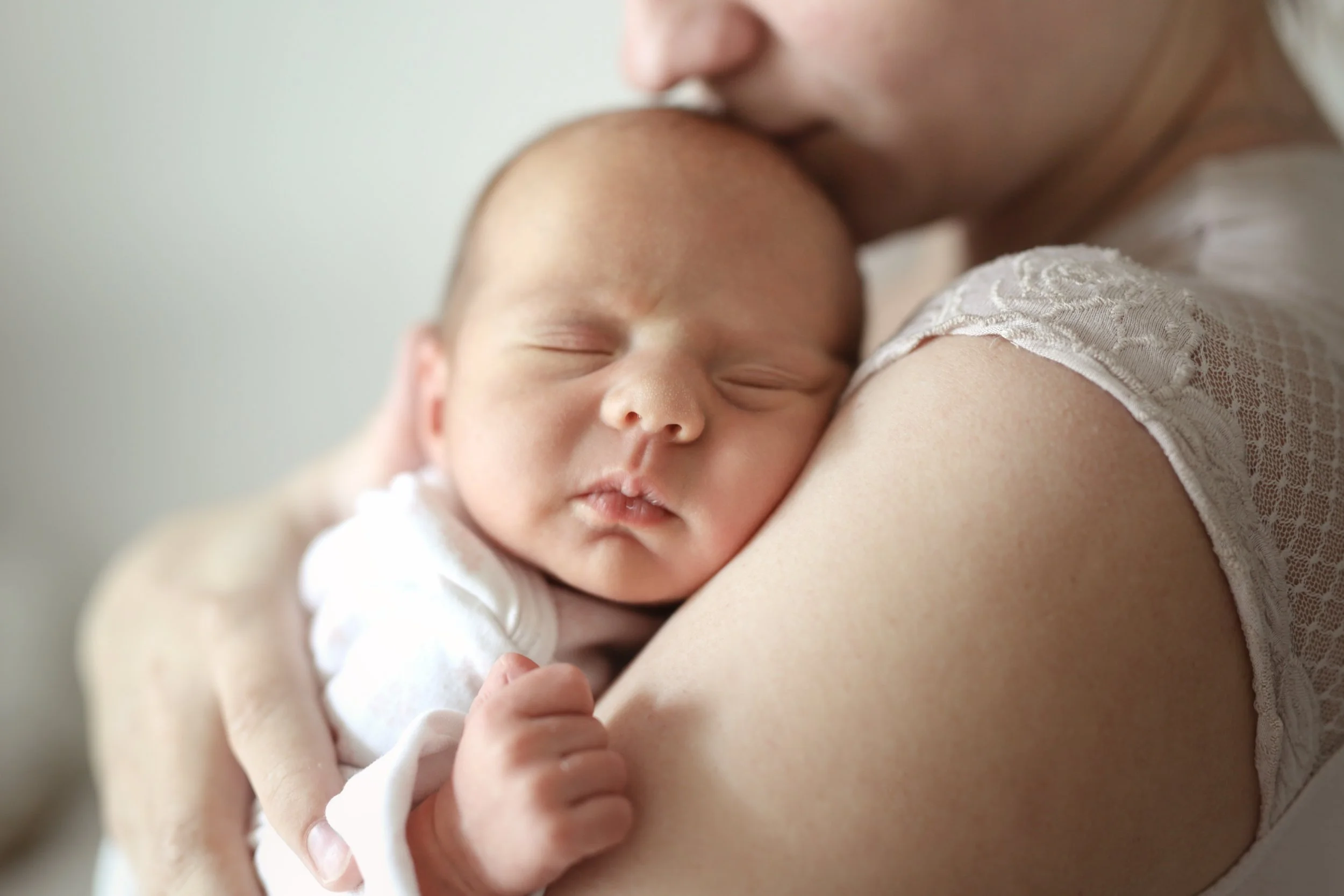
You’re navigating a transformation that deserves compassion
The Grief No One Prepares You For
This grief can show up in subtle ways:
Missing your freedom or spontaneity
Feeling disconnected from your body
Mourning your old routines or social life
Questioning who you are outside of caregiving
Because this grief doesn’t fit the traditional image of loss, many women minimize it or push it down. But unacknowledged grief often turns into anxiety, irritability, numbness, or guilt — especially when you believe you’re “not allowed” to feel this way.
You Can Love Motherhood and Still Miss Yourself
Two things can be true at the same time:
You can deeply love your child and miss who you were.
You can feel grateful and overwhelmed.
You can be fulfilled and grieving.
When we allow space for both experiences, shame softens. Emotional regulation improves. Self-compassion grows.
Body Image
Your body goes through a lot during pregnancy and postpartum. You might not feel as strong or active as you did before giving birth. You might find yourself missing your old body, which may have been smaller. When you start to struggle with body image remember, it’s not really about your body. It’s about something deeper. What else in your life do you hate right now besides your body?
Remember, it’s normal for your body to change. Be gentle with yourself. You’re body needs a lot of care right now. By caring for you, you can be more present for your child.
When you take care of your body, you feel better about your body.
If your body feels unfamiliar right now, it’s often because your life and identity have changed — not because your body is failing you
Moving Toward Integration, Not Erasure
Healing doesn’t mean “getting your old life back.” It means integrating who you were with who you are becoming. That might look like:
Reclaiming small pieces of yourself — creativity, movement, quiet
Naming what you miss without judging it
Redefining success and worth beyond productivity or perfection
Allowing your identity to evolve, not disappear
Therapy can be especially supportive during this transition, offering a place to process grief, explore identity, and reconnect with yourself — without pressure to rush or “fix” anything.
A Gentle Reminder
If you’re grieving parts of yourself after becoming a mother— you’re human. Identity shifts are not meant to be rushed through or silenced. They deserve care, patience, and support.
You are not losing yourself.
You are becoming someone new — and that process takes time.
I am not accepting new clients at this time. If you are seeking therapy, visit Psychology Today or Talkiatry.