

How Social Media Shapes Body Image & What You Can Do About It
If you’ve ever scrolled through Instagram or TikTok and felt a pang of comparison, a moment of “I wish I looked like that,” or a wave of disappointment in your own body, you’re not alone. In our digital age, social media isn’t just a place to connect — it’s a place we constantly evaluate ourselves against others. And that can have a real impact on how we see our bodies, our worth, and ourselves.
Why Social Media Influences Body Image
Social media platforms are visual by design. They showcase curated highlights, polished photos, and edited videos that amplify idealized beauty standards. Our brains naturally compare — it’s how we make sense of the world — but when we compare ourselves to a steady stream of seemingly perfect images, it can erode our body confidence.
This process isn’t just casual comparison. Research shows that the more people compare their appearance to those they follow online, the more likely they are to experience body dissatisfaction and even disordered eating thoughts and behaviors. It’s not the time spent scrolling that matters most — it’s the type of content and the meaning we assign to it.
For many, social media also reinforces unrealistic norms about “the right” body shape, size, or look. Algorithms amplify content that keeps us engaged — and content tied to beauty, fitness, dieting, or appearance typically does exactly that. Over time, seeing a narrow range of body types and beauty ideals can feel like reality rather than a heavily curated highlight reel.
For people already prone to anxiety, perfectionism, or body image concerns, this can deepen feelings of not being “enough.” You may start believing that your self-worth depends on how closely you resemble what you see online rather than who you are.
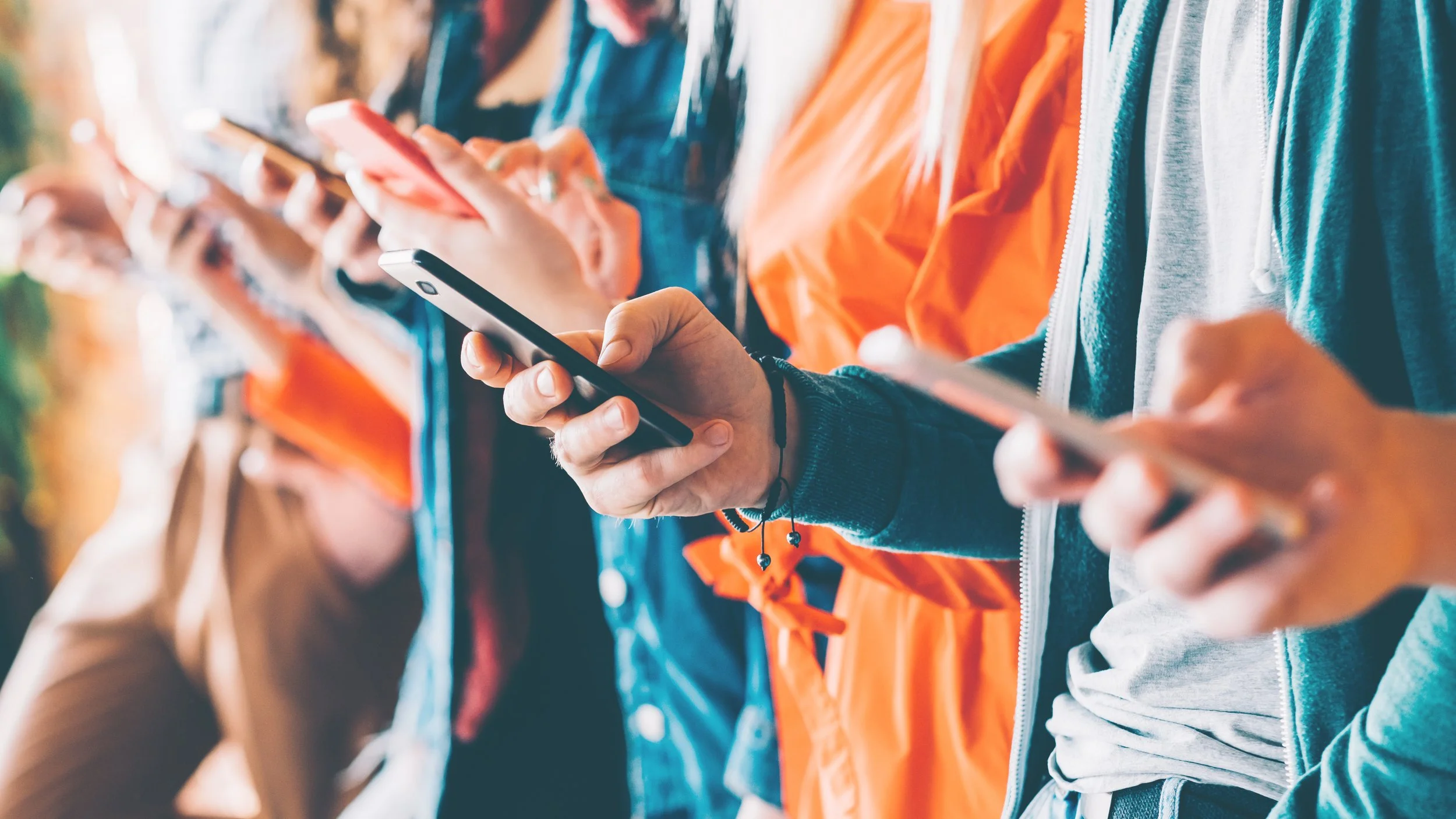
Your worth hasn’t changed — the context you’re in has
Social Media Isn’t Bad
Social media isn’t necessarily bad. It can be a great way to stay connected with others and to provide life updates. The goal isn’t to not use social media at all, but rather to use it mindfully. This means following accounts that help you rather than hurt you, being mindful of what you post, and setting limits with social media when necessary.
Remember that just because someone looks a certain way, it doesn’t mean their happy or healthy. The thing about social media is that everyone is posting what they want you to see instead of posting reality. No one is going to post a picture of themselves crying alone in their bedroom, unless they’re seeking sympathy and external validation (this is a whole other article).
People can often seem “fine” but be suffering underneath. Have you ever smiled in a photo but didn’t actually feel happy? Have you ever taken a photo with someone you hate? These things are true for other people too. Someone can smile in a photo but feel miserable inside. A group of people can take a photo together, but behind the scenes they’re fighting with each other. A family can take a photo dressed up and smiling in front of a nice house, when there’s actually a lot of dysfunction behind the scenes.
Take what you see on social media with a grain of salt. No one is showing you the whole picture.
How to Handle Body Comments on Social Media
Remember if someone makes a comment about your body on social media, it’s not about you. It has everything to do with their struggles, which they’re projecting onto you. If this happens, take a step back and ask yourself; “Is this someone I’d want as a friend? Am I going to grow in that relationship?”
Don’t take it personally. When you don’t take things personally, you can see things for what they really are.
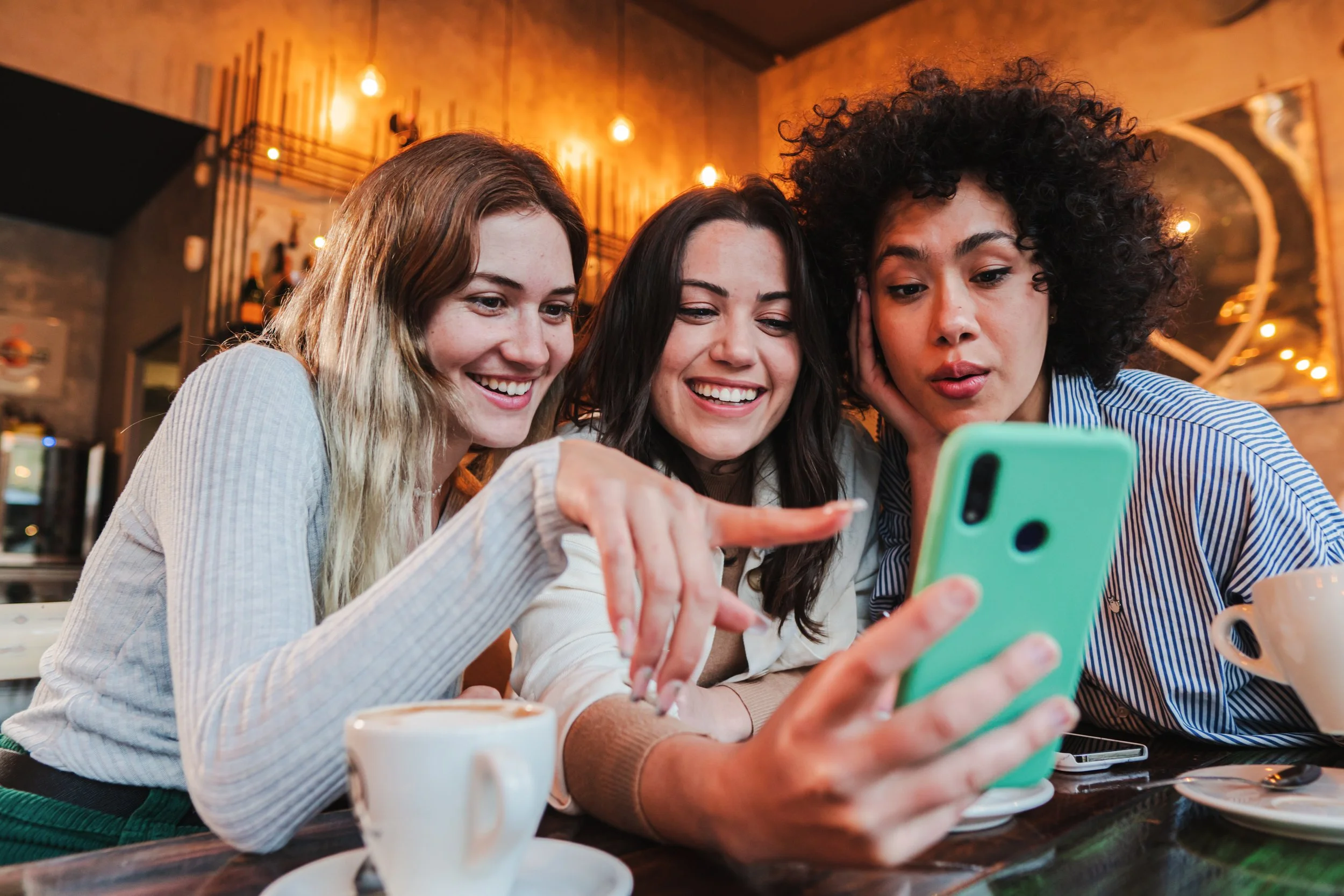
Awareness is power: the moment you recognize the illusion, you’re no longer trapped by it.
What You Can Do to Protect Your Body Image
1. Notice Your Responses
Before jumping to limit or change your social media habits, pause and ask yourself: “How do I feel after scrolling?” If certain accounts make you feel worse about your body rather than inspired or uplifted, that’s important information. Awareness is the first step toward change.
2. Curate Your Feed with Intention
Follow accounts that promote body diversity, body neutrality, and self-acceptance, not just idealized beauty standards. When you choose content that reflects real, imperfect, beautiful humans — including those who challenge narrow norms — your feed becomes a more supportive space.
3. Practice Digital Boundaries
You don’t have to delete your accounts — but setting limits can help. Maybe that’s turning off notifications, setting a time limit, or doing a “social media cleanse” when your body image feels especially fragile. Taking breaks from social media can allow you to enjoy your life more and feel more present.
4. Shift the Comparison Loop
Comparison is a habit — and like any habit, it can be noticed and interrupted. Practice noting when you compare and gently redirecting your attention to something grounded in reality: “This is a curated image, not the whole person,” or “My body is doing X for me today.”
You’re More Than a Scroll
Social media isn’t inherently bad. It can connect us, entertain us, and even uplift us. But when it starts shaping how you feel about your body, it’s worth paying attention. Your body image is woven from many threads — self-talk, relationships, experiences, and yes, digital content too. Learning to navigate social media with awareness and boundaries can protect your self-worth, nurture your mental health, and help you live in a body that feels like yours — not just like what you see on a screen.
Please note I am not accepting new clients at this time. If you are seeking therapy, visit Talkiatry.