

The Emotional Cost of Curating Your Appearance Online
Most people don’t realize how much energy it takes to curate an online appearance — until they feel exhausted by it.
Choosing the right photo.
Editing angles and lighting.
Deleting posts that don’t get enough engagement.
Second-guessing how you look, sound, or come across.
On the surface, it may seem harmless — even empowering. But over time, constantly managing how you appear online can quietly take a toll on your emotional well-being. It can increase anxiety, and lower self-esteem.
When Self-Expression Turns Into Self-Surveillance
Social media encourages us to think of our appearance as something to manage, optimize, and present strategically. You’re not just existing — you’re watching yourself exist.
You may start to ask:
Do I look put together enough?
Is this flattering?
How will this be perceived?
What does this say about me?
Instead of being in your body, you’re observing it. Evaluating it. Policing it.
This shift from self-expression to self-surveillance can create a constant low-grade anxiety — especially for people who already tend to be self-critical, perfectionistic, or approval-seeking. You may constantly worry about what others think of you.
The Pressure to Perform “Okay”
Curating your appearance online often isn’t about vanity. It’s about safety.
Looking confident can feel like protection. Looking polished can feel like proof that you’re doing well. Looking attractive can feel like a buffer against judgment, rejection, or invisibility.
But when your appearance becomes tied to how worthy, capable, or acceptable you feel, the pressure never really turns off.
You may notice:
Increased comparison after posting
Feeling exposed or vulnerable when you don’t look “your best”
A fear of being seen without filters, angles, or control
Difficulty relaxing into your natural appearance
Over time, this can chip away at your sense of ease — not just online, but in real life too.
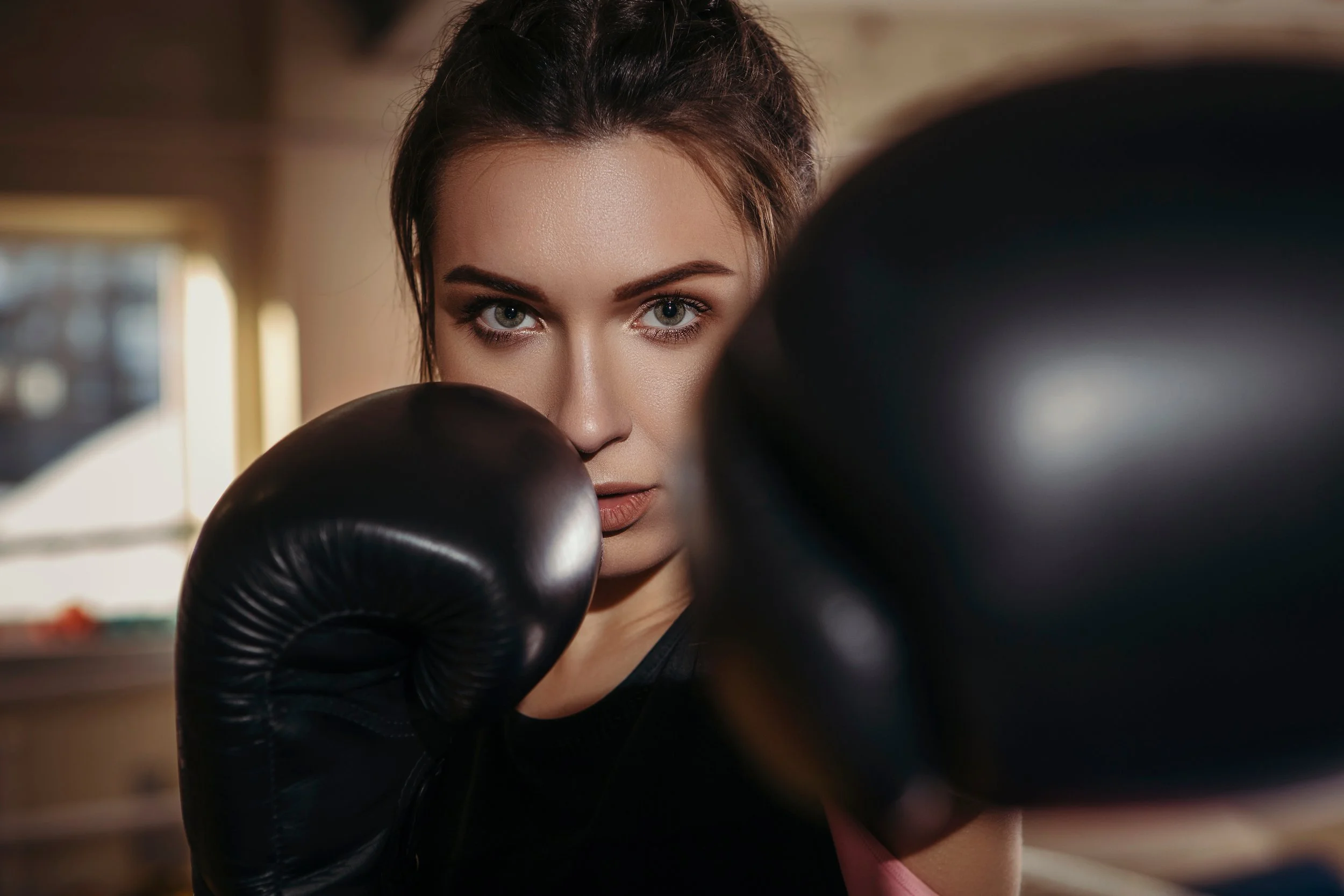
The more you hyperfixate on your appearance, the worse your anxiety and self-esteem
Why This Can Impact Body Image
When you’re constantly curating how you look, your body can start to feel like a project instead of a home.
You may become more aware of perceived flaws. More sensitive to comments or silence. More disconnected from how your body feels because you’re focused on how it looks.
This doesn’t mean social media is inherently bad — but it does mean that repeated exposure to appearance-based evaluation can reinforce the idea that your body is something to be managed for approval.
And that belief is emotionally expensive.
Studies show increased social media use can lead to decreased body image satisfaction.
On Beauty, Thinness, and Social Media
Social media isn’t bad. It can be a great way to stay connected to people. The key isn’t to get rid of social media (though if you feel like you need to that’s fine), but to use it mindfully.
This also isn’t to say that social media is the problem. There are plenty of people who use social media who don’t have body image concerns. There’s nothing inherently wrong with wanting to look attractive. The key is to make sure you don’t self-sabotage.
There’s nothing inherently wrong with wanting to be thin. There are a lot of people who are thin who don’t struggle with body image or eating concerns. The key is to want to be a healthy thin instead of a thin that’s sick.
Beauty can still be important to you. You don’t have to give up on wanting to be beautiful if beauty is a value of yours. The key is to focus on beauty in a way that’s self-compassionate instead of self-destructive.
Remember, there is not one way to be beautiful. What looks attractive to one person may not look attractive to another. You might find something attractive that I don’t find attractive, and vice versa. Everyone has a different view, and a different idea of beauty.
You don’t have to look a certain way to be beautiful.
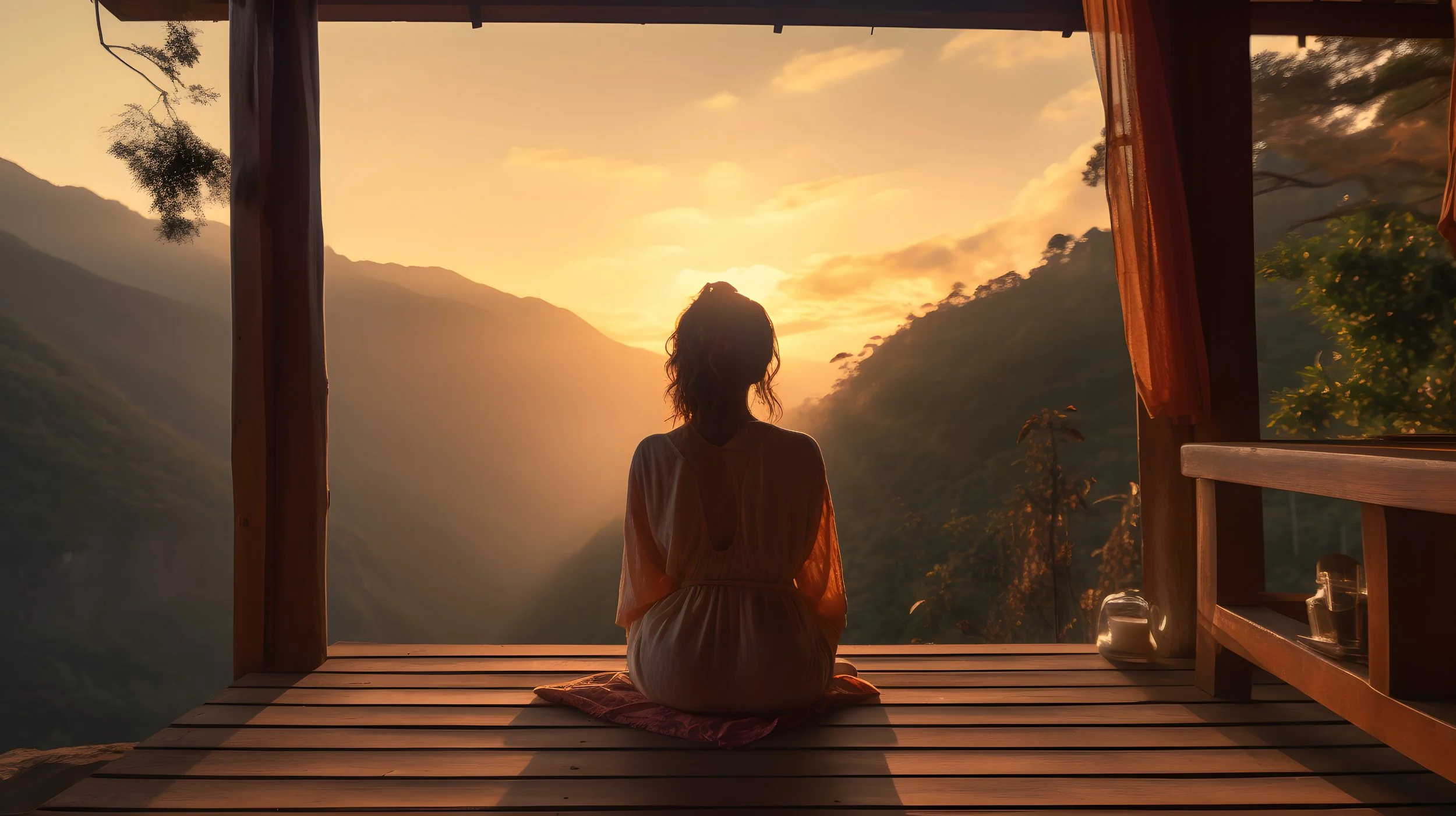
You can want to be beautiful without self-sabotoging
Reclaiming Some Space
You don’t need to stop using social media to protect your mental health. But it can help to bring awareness to how you’re engaging with it.
You might ask yourself:
Am I posting to express myself — or to control how I’m seen?
How do I feel before and after I post?
Do I feel more connected to myself — or more critical?
Sometimes the most healing shift isn’t changing how you look — it’s loosening the grip on needing to look a certain way.
A Gentle Reminder
You are allowed to exist without performing.
Your worth doesn’t depend on being curated, filtered, or palatable.
And your body deserves to be lived in — not constantly evaluated.
Stepping back from appearance management, even in small ways, can create more room for self-trust, presence, and ease.
And that kind of freedom is worth protecting.
Please note I am not accepting new clients at this time. If you’re seeking therapy, reach out to Talkiatry.